Have you ever wished you could turn back the clock on your skin? If so, consider a phenol peel. This potent chemical peel has been around since the early 1900s, renowned for its ability to enhance skin texture and appearance dramatically.
What Is a Phenol Peel?
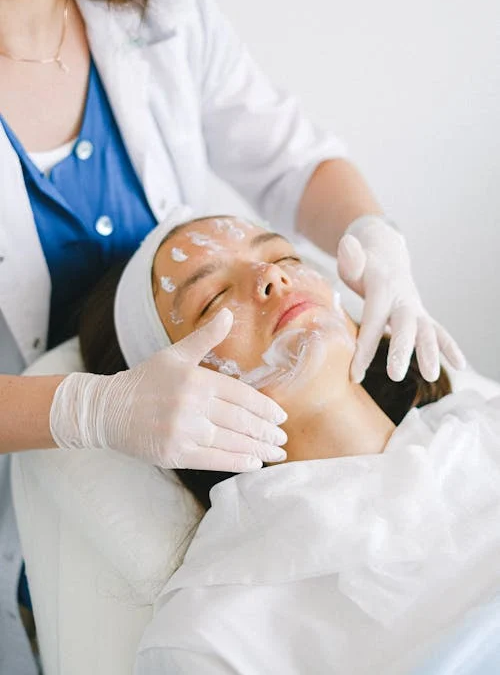
A phenol peel, or carbolic acid peel, is the strongest type of chemical peel available. It penetrates deep into the skin’s dermal layer, triggering a controlled chemical burn. Sounds intense, right? But it’s precisely this action that destroys damaged skin cells, stimulates collagen and elastin production, and encourages new, healthy skin growth.
The result? A fresher, younger-looking complexion.
Long-lasting results (often 10 years), making it a worthwhile investment.
What to Expect During and After the Procedure
Before undergoing a phenol peel, it’s essential to consult with a board-certified dermatologist or plastic surgeon. The procedure typically requires sedation and local anesthesia due to its intensity.
During the treatment, the skin is prepped, and the phenol solution is carefully applied. The entire process can take about an hour.
After the procedure, you can expect significant redness, swelling, and peeling. This is a normal part of the healing process. Full recovery can take several weeks, during which time it’s crucial to follow your doctor’s aftercare instructions meticulously. This includes avoiding sun exposure and keeping the skin moisturized.
Also, it’s important to note that phenol peels are typically performed by trained medical professionals in a clinical setting. This isn’t a DIY treatment you can do at home!
Is a Phenol Peel Right for You?
While a phenol peel offers impressive results, it’s not a one-size-fits-all solution. People with darker skin tones may experience hypopigmentation, where the treated skin becomes lighter than the surrounding areas. Additionally, those with heart conditions or other serious health issues should avoid this treatment due to the potential systemic effects of phenol.
So before booking an appointment, ask yourself the following questions:
Do I have significant sun damage or deep wrinkles?
Can I take time off work for recovery?
Am I willing to follow a strict post-treatment care regimen?
Have I discussed the risks and benefits with a qualified provider?
If you answered yes to these questions, a phenol peel might be your ticket to renewed, radiant skin.
Conclusion
A phenol peel can be the perfect solution for those looking to address skin issues like deep wrinkles, scars, and sun damage. By understanding the procedure, benefits, and potential risks, you can make an informed decision about whether this powerful treatment is right for you.
Are you ready to revitalize your complexion with a phenol peel? If you have any questions or concerns, don’t hesitate to reach out to a skincare specialist. Your journey to smoother, younger-looking skin could be just an appointment away!
In an era where the pace of life seems to only accelerate, the concept of slow travel emerges as a beacon for those yearning to connect deeply with the world around them. Unlike the conventional rush to check landmarks off a list, slow travel invites us to immerse ourselves in the essence of a place, its people, and their cultures. It’s an approach that encourages us to take a step back, breathe, and truly engage with our surroundings, turning every trip into a meaningful journey.
The Essence of Slow Travel
At its core, slow travel is about quality over quantity. It’s choosing to explore fewer places but with greater depth. This doesn’t necessarily mean spending months in a single location—though it certainly can. It’s about adopting a mindset that values experiences over expeditions, allowing for spontaneity, and letting the intrinsic rhythm of a place guide your stay. Whether it’s a weekend getaway to a nearby town or a longer journey abroad, slow travel is accessible to everyone willing to embrace it.
Why Choose Slow Travel?
Deeper Cultural Immersion: Slow travel allows you to move beyond the surface level of tourist attractions. By spending more time in a location, you can discover the local haunts, engage with the community, and perhaps even pick up elements of a new language. It’s these authentic experiences that enrich your understanding and appreciation of a culture.
Sustainability: This approach often leads to more sustainable travel choices. By using local transportation, staying in locally-owned accommodations, and eating at local restaurants, you contribute to the economy in a more meaningful way. Additionally, slow travel minimizes the carbon footprint associated with frequent, fast-paced travel.
Personal Growth: Slow travel has the power to transform not just your perspective on the world, but also on life itself. The time spent reflecting, adapting to new environments, and overcoming challenges fosters personal growth and resilience.
How to Embrace Slow Travel
Plan Less: While some planning is necessary, leave room for spontaneity. Allow yourself to explore a city without a strict itinerary. Sometimes, the best experiences are the ones you stumble upon unexpectedly.
Stay Longer: If possible, extend your stay. Longer periods in one place can reveal its secrets and rhythms that short stays overlook.
Engage Locally: Participate in local activities, festivals, and traditions. Shop from local markets, dine where the locals do, and engage in conversations. These interactions provide insights into the local way of life.
Seek Unique Accommodations: Instead of the usual hotels, consider homestays, guesthouses, or Airbnb experiences that offer a more personal connection to the place and its people.
Reflect and Connect: Take the time to journal, photograph, or simply reflect on your experiences. Slow travel isn’t just about seeing; it’s about connecting on a deeper level.
In a world that often values speed and efficiency over depth and connection, slow travel stands out as a profound counter-movement. It’s a reminder that in the journey of life, the richness lies not in how many places we visit, but in the depth of our experiences and the connections we make along the way. As we gradually embrace the principles of slow travel, we find that our travels not only become more sustainable and fulfilling but also transformative, teaching us to value the moment and the myriad of wonders that unfold when we simply take the time to look.



Recent Comments